


Cold weather is on its way to Chambersburg, PA. Certainly, you remember a day when you walked out to your Toyota or another vehicle on that first chilly morning and were greeted by the warm glow of the TPMS light on your dashboard. Tire pressure drops due to cold weather are one of the most common issues drivers face during fall and winter months. The good news is that there’s simple science behind it, and knowing what to do can keep you safe and save you from unnecessary worry.
Why Cold Air Causes Tire Pressure to Drop
Tire pressure is directly affected by temperature. When the air outside gets colder, the air molecules inside your tires slow down and compress, which reduces the pressure generally by about 1lb. per sq. in. for every 10°F drop in temperature. So if overnight temperatures fall significantly, a tire pressure issue can develop even without a slow leak or any damage to the tire itself. In places like Chambersburg, PA, where temperatures can swing fast, a tire that was properly inflated in September might read low by November without ever being touched.
Understanding Your Toyota TPMS Light
Your Toyota is equipped with a Tire Pressure Monitoring System, or TPMS, that alerts you when one or more tires drop below the recommended pressure threshold. When the Toyota TPMS light appears, that little horseshoe-shaped icon with an exclamation point is the vehicle's way of telling you that attention is needed.
It's important not to ignore this warning. Underinflated tires affect handling, braking distance, and fuel efficiency. They also wear unevenly and can be more prone to blowouts. The TPMS light is designed to help you act before a minor issue becomes a bigger problem.
What to Do When the Light Comes On
The first step is to know if your Toyota has a display available that shows individual tire pressure (PSI) on the infotainment screen or Multi-Information Display. That makes everything simpler. If not, check your tire pressure using a quality gauge. You can find the recommended pressure for your specific Toyota model on the sticker located on the driver's side door jamb. Don't rely on the number printed on the tire sidewall; that figure represents the maximum pressure the tire can hold, not the recommended driving pressure.
If your tires are low, add air until they reach the correct level, of course. Many gas stations have air pumps available. After inflating your tires, drive for a few minutes, and the Toyota TPMS light should turn off on its own once the system detects proper pressure.
Tips for Managing Toyota Tire Pressure in Cold Weather
Staying ahead of tire pressure issues during colder months doesn't take much effort. Check your tire pressure at least once a month and always do so when the tires are cold, meaning the vehicle has been parked for at least 3 hours or driven no further than a mile. Warm tires give a higher reading that doesn't reflect true resting pressure.
Keeping a portable tire inflator in your vehicle is also a smart move, especially during winter. It allows you to address Toyota tire pressure cold-weather situations right away rather than searching for a nearby air pump.
When to Have Your Tires Professionally Inspected
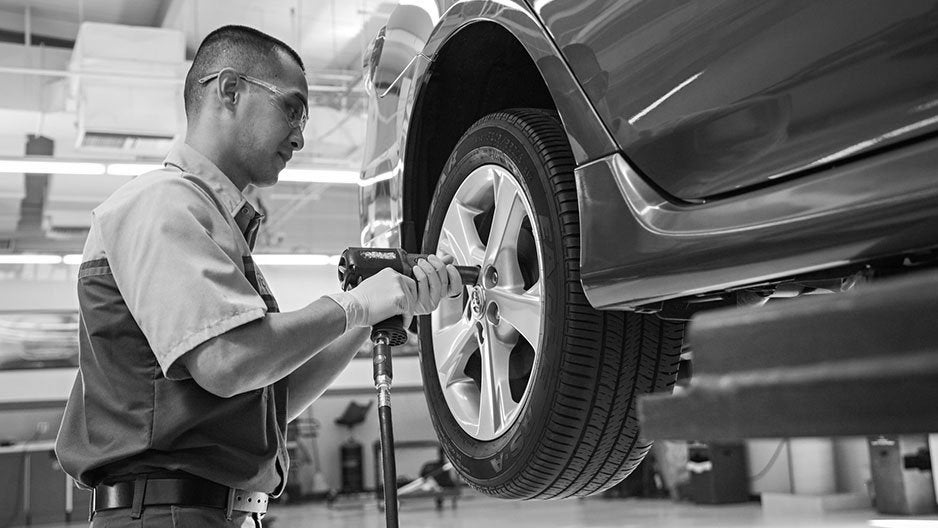
If your Toyota TPMS light comes on frequently or returns shortly after you've added air, it may indicate a slow leak, a damaged valve stem, or an issue with the sensor itself. In those cases, it's a good idea to have a trained technician take a closer look. Regular tire inspections can catch problems early and extend the life of your tires.
Schedule a Tire Check Today
Cold weather is unpredictable, but your response to tire pressure changes doesn't have to be. If you have questions about your Toyota's tires or need a professional inspection, the service team at Fitzgerald Toyota is here to help drivers throughout Chambersburg, PA, stay safe all season long. Visit us to schedule your appointment online and keep your Toyota performing at its best.