


Fitzgerald Toyota Chambersburg

Blog / Chambersburg Toyota Dealer

Your Fall Toyota Maintenance Checklist for Driving in Chambersburg, PA

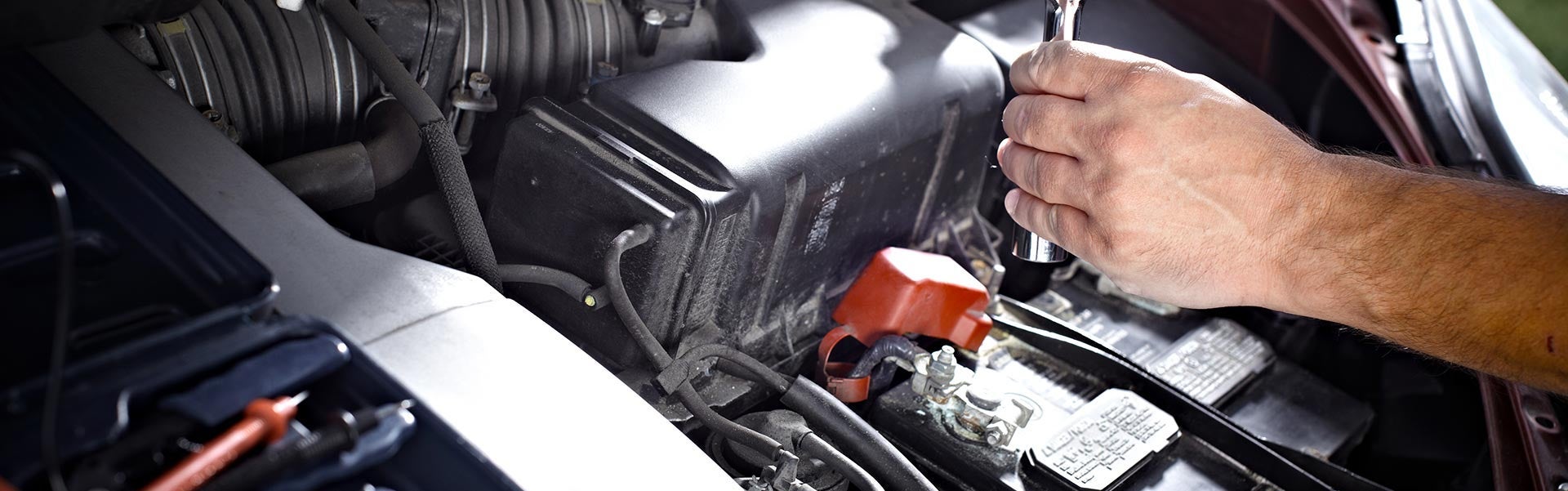
Toyota Battery and Electrical System - vehicle care

As autumn approaches, preparing your vehicle for dropping temperatures ensures a smooth driving experience. Commuting daily or taking weekend road trips requires a reliable vehicle. At Fitzgerald Toyota in Chambersburg, PA, we know seasonal shifts heavily impact performance. Proper maintenance protects your vehicle and prepares you for winter. Contact our team today to gather more information and get your car road-ready.


Why Fall Maintenance Matters for Your Toyota

Proactive maintenance protects your investment and ensures passenger safety. Dropping temperatures impact tire pressure and battery performance. Addressing minor issues early prevents costly repairs later and reduces surprises as severe weather sets in.


Check Your Tires and Tire Pressure

Falling temperatures reduce tire pressure. A 10-degree temperature drop causes tires to lose about one pound per square inch of pressure. Inspect tires for uneven tread wear, cracks, and punctures. Inflate each tire to the exact specification listed in your owner's manual. Replace worn tires before icy roads arrive.


Test Your Battery and Electrical System

Cold weather drains weakened car batteries quickly. Test your battery to ensure it holds a proper charge. Verify all exterior and interior lights function correctly, as shorter autumn days require increased headlight usage. Ask a certified technician to inspect the alternator and charging system concurrently.


Inspect Your Brakes

Brakes represent a critical safety system in your Toyota. Wet leaves and rain-slicked roads demand responsive braking. Inspect your brakes immediately if you notice squealing, grinding, or increased stopping distances. Address potential issues before winter conditions create hazardous driving situations.


Top Off Fluids and Replace Your Wiper Blades

Autumn presents an ideal opportunity to check and fill essential fluids, including coolant, brake fluid, power steering fluid, and windshield washer fluid. Verify your coolant mixture suits colder temperatures. Inspect wiper blades for streaks or skipping. Replace damaged blades immediately to maintain clear visibility during rain and early frost.


Schedule a Toyota Service Appointment

Scheduling a professional inspection ensures comprehensive vehicle maintenance. ToyotaCare covers initial normal factory scheduled service on new Toyota models. Toyota-trained technicians understand your specific maintenance requirements. Maintaining your service schedule keeps your vehicle performing optimally in Chambersburg, PA.


Visit Fitzgerald Toyota for Fall Car Care in Chambersburg

Vehicle maintenance remains simple with the right team supporting you. Schedule a service appointment online with Fitzgerald Toyota in Chambersburg, PA, to prepare your vehicle for winter. Completing your seasonal maintenance early provides peace of mind throughout the colder months.

Posted in:

Related Posts

Auto service technician inspecting a vehicle's brake rotor and caliper.

Toyota Brake Service: Why It Matters Even When Nothing is Wrong

Your Toyota's braking system is your vehicle’s most critical safety feature. It relies on a series of components pads, rotors, calipers, and brake fluid all working together to bring your vehicle to a smooth, controlled stop that you don’t have to think twice about. When any one of those components begins to wear, your stopping ability can be compromised, and with slippery roads and winter driving around the corner, that’s not what you need. Keeping up with Toyota brake service in Chambersburg, PA means staying ahead of issues before they become serious and expensive. Toyota vehicles are engineered with precision, and the braking system is no exception. Whether you drive a Camry, RAV4, Tundra, or Prius, the brake components are designed to work specifically with your vehicle's weight, performance, and safety systems, so Certified Toyota service is your best bet. Signs You May Need a Toyota Brake Inspection Knowing when to bring your vehicle in starts with recognizing the warning signs. If you hear a high-pitched squealing when you press the brake pedal, that's often a built-in indicator telling you your pads are wearing thin. But if you hear grinding, that usually means the pads have worn through completely and metal is contacting your rotors. Get your vehicle in right away to be looked at. Other signs that a brake inspection may be overdue include a soft or spongy pedal feel, vibration when braking, or a vehicle that pulls to one side when slowing down. And if that dreaded Brake Warning light has come on, that's a clear signal to schedule service as soon as possible. Drivers in Chambersburg, PA, who commute regularly or travel on varied road conditions should be especially attentive to these symptoms. What Toyota Brake Service Typically Includes When you bring your vehicle in for Toyota brake service, a trained technician will evaluate the full braking system. This starts with a thorough Toyota brake inspection of the brake pads for remaining thickness, rotors for wear or warping, and calipers for proper function. The technician will also check brake fluid levels and condition. Brake fluid absorbs moisture over time, which can reduce its effectiveness and lead to corrosion inside the system. Replacing old fluid as part of your brake service helps maintain consistent pedal feel and overall brake performance. Using Toyota Genuine Parts during service ensures that the components installed in your vehicle meet the same standards as those that came from the factory. This matters for both safety and long-term reliability. How Often Should You Schedule Brake Service? There's no one-size-fits-all answer, because brake wear depends on a variety of factors: driving habits, terrain, vehicle type, and load. If you tow a trailer, drive on rough roads, or deal with stop-and-go traffic a lot, that tends to wear pads faster than highway driving. As a general guideline, having your brakes inspected at least once a year is a smart practice. Many Toyota owners take advantage of routine service visits to have their brakes checked at the same time. ToyotaCare®, which comes with every new Toyota purchase, includes scheduled maintenance and 24-hour roadside assistance, giving you added peace of mind during those early ownership years. If you're unsure of your vehicle's brake history or you've recently purchased a used Toyota, scheduling a Toyota brake inspection is a great starting point. Keep Your Toyota Stopping Strong Staying on top of Toyota brake service in Chambersburg is one of the simplest ways to protect yourself, your passengers, and everyone else on the road. Brakes don't fail overnight; they wear gradually, and catching issues early almost always means a less expensive repair and a safer drive. If you've noticed any of the warning signs mentioned above, or if it's simply been a while since your last Toyota brake inspection, now is a good time to act. The team at Fitzgerald Toyota is here to help drivers throughout Chambersburg, PA, keep their vehicles performing safely and reliably. Schedule your service appointment online and drive with confidence.

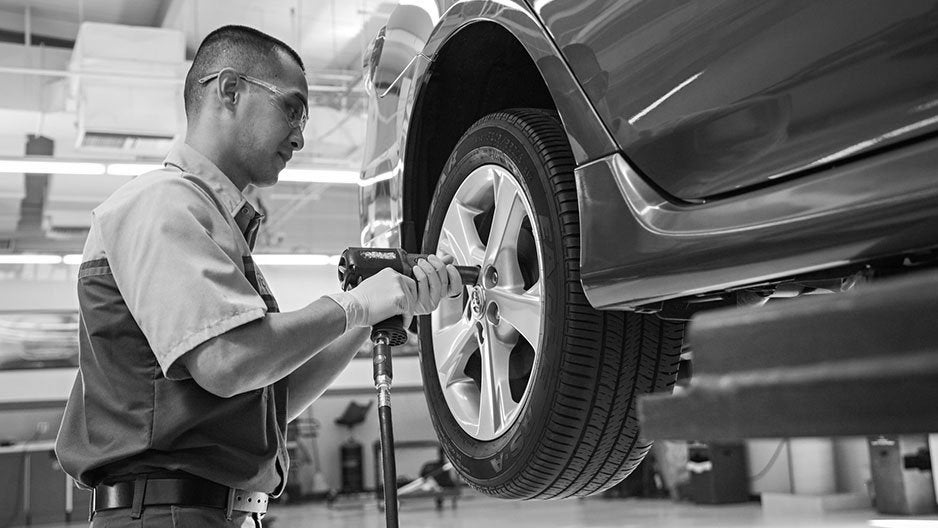
Auto service technician using an impact wrench to tighten a car's wheel.

How Cold Weather Affects Toyota Tire Pressure

Cold weather is on its way to Chambersburg, PA. Certainly, you remember a day when you walked out to your Toyota or another vehicle on that first chilly morning and were greeted by the warm glow of the TPMS light on your dashboard. Tire pressure drops due to cold weather are one of the most common issues drivers face during fall and winter months. The good news is that there’s simple science behind it, and knowing what to do can keep you safe and save you from unnecessary worry. Why Cold Air Causes Tire Pressure to Drop Tire pressure is directly affected by temperature. When the air outside gets colder, the air molecules inside your tires slow down and compress, which reduces the pressure generally by about 1lb. per sq. in. for every 10°F drop in temperature. So if overnight temperatures fall significantly, a tire pressure issue can develop even without a slow leak or any damage to the tire itself. In places like Chambersburg, PA, where temperatures can swing fast, a tire that was properly inflated in September might read low by November without ever being touched. Understanding Your Toyota TPMS Light Your Toyota is equipped with a Tire Pressure Monitoring System, or TPMS, that alerts you when one or more tires drop below the recommended pressure threshold. When the Toyota TPMS light appears, that little horseshoe-shaped icon with an exclamation point is the vehicle's way of telling you that attention is needed. It's important not to ignore this warning. Underinflated tires affect handling, braking distance, and fuel efficiency. They also wear unevenly and can be more prone to blowouts. The TPMS light is designed to help you act before a minor issue becomes a bigger problem. What to Do When the Light Comes On The first step is to know if your Toyota has a display available that shows individual tire pressure (PSI) on the infotainment screen or Multi-Information Display. That makes everything simpler. If not, check your tire pressure using a quality gauge. You can find the recommended pressure for your specific Toyota model on the sticker located on the driver's side door jamb. Don't rely on the number printed on the tire sidewall; that figure represents the maximum pressure the tire can hold, not the recommended driving pressure. If your tires are low, add air until they reach the correct level, of course. Many gas stations have air pumps available. After inflating your tires, drive for a few minutes, and the Toyota TPMS light should turn off on its own once the system detects proper pressure. Tips for Managing Toyota Tire Pressure in Cold Weather Staying ahead of tire pressure issues during colder months doesn't take much effort. Check your tire pressure at least once a month and always do so when the tires are cold, meaning the vehicle has been parked for at least 3 hours or driven no further than a mile. Warm tires give a higher reading that doesn't reflect true resting pressure. Keeping a portable tire inflator in your vehicle is also a smart move, especially during winter. It allows you to address Toyota tire pressure cold-weather situations right away rather than searching for a nearby air pump. When to Have Your Tires Professionally Inspected If your Toyota TPMS light comes on frequently or returns shortly after you've added air, it may indicate a slow leak, a damaged valve stem, or an issue with the sensor itself. In those cases, it's a good idea to have a trained technician take a closer look. Regular tire inspections can catch problems early and extend the life of your tires. Schedule a Tire Check Today Cold weather is unpredictable, but your response to tire pressure changes doesn't have to be. If you have questions about your Toyota's tires or need a professional inspection, the service team at Fitzgerald Toyota is here to help drivers throughout Chambersburg, PA, stay safe all season long. Visit us to schedule your appointment online and keep your Toyota performing at its best.

Blue Toyota RAV4 SUV parked outside a café.

Used Toyota SUV Buying Guide: RAV4 vs. Highlander

There are a LOT of pre-owned SUVs to choose from out there, and narrowing that down when you’re looking to buy can be overwhelming. Toyota's lineup is a great place to start. Renowned for long-term reliability and strong resale value, used Toyota models are consistently in high demand around Chambersburg, PA. This used Toyota SUV buying guide will help you focus on your best options, specifically the RAV4 and the Highlander, so you can feel confident driving home. What to Look for in a Used Toyota SUV Before diving into specific models, it helps to know what factors matter most in a used Toyota SUV buying guide. Start by considering your budget, how many passengers you need to carry regularly, how much cargo space you need, and what kind of driving you do most. Whether you're commuting, hauling gear, or taking road trips, Toyota's SUV lineup has something to offer. You'll also want to review the Vehicle History Report, which will reveal past accidents, service, title issues, and more. Confirm that scheduled maintenance was kept up to date, and if possible, have a trusted technician inspect the vehicle before purchase. These steps apply no matter which model you choose. Used RAV4 vs. Highlander: Key Differences The RAV4 vs. Highlander comparison is a natural one, as both vehicles are very popular for all-weather capability and family functionality. The decision between the two often comes down to size and intended use. The RAV4 is a compact SUV, making it a solid choice for individuals, couples, or small families who want something easy to maneuver and park that’s good on gas. It offers a comfortable interior with generous headroom, available all-wheel drive, and strong fuel efficiency across most model years of up to 30 MPG combined. The hybrid variant goes above and beyond, offering up to 37 MPG combined with the same ease of use as a gas-powered engine. The Highlander, on the other hand, is a midsize 3-row SUV built for families who need more seating and cargo space. It accommodates up to 8 passengers depending on the configuration, making it ideal for larger households or those who frequently travel with a group. The Highlander also tends to offer a slightly more refined interior feel that’s quieter, especially in higher trim levels. Which Model Years Should You Consider? When comparing a used RAV4 vs. Highlander, the model year plays a big role in what features you can expect. For the RAV4, the 2019 and newer generations introduced a refreshed exterior design, a more powerful engine with greater fuel economy, and added driver assistance features like Pre-Collision Warning and Lane Departure Alert. Hybrid variants from this era are also worth exploring if you prioritize efficiency. For the Highlander, the 2020 redesign brought a more modern platform, updated technology, and a refined interior. Pre-2020 models are also dependable but may lack some of the newer safety and connectivity features found in later versions. Practical Tips for Your Used Toyota SUV Buying Guide This used Toyota SUV buying guide wouldn't be complete without a few practical shopping tips. First, decide early whether 3 rows are a must-have or simply nice to have. If you rarely need that 3 rd row, the RAV4 may serve you better at a lower price point. If you regularly carry more than 4 or 5 passengers, the Highlander is likely worth the investment. Also consider available trim levels, as features like a touchscreen, wireless connectivity, and advanced safety technology vary depending on the grade and model year. Look for certified pre-owned options when available, as they typically come with additional inspection standards and limited warranty coverage. Find Your Next Used Toyota SUV in Chambersburg, PA Whether the RAV4 or the Highlander is the right fit for you, both are excellent long-term choices backed by Toyota's well-earned reputation for quality. Drivers in Chambersburg, PA, have a great opportunity to find a quality pre-owned Toyota SUV that fits their lifestyle and budget right here at Fitzgerald Toyota Chambersburg. Use this used Toyota SUV buying guide as your starting point, and take your time to compare options, ask questions, and find the vehicle that truly meets your needs. Visit us to explore current inventory and get started today.